The finest Japanese green tea is definitively among the best green tea in the world, with history of the drink there going back more than 1000 years. So loved is green tea that it is not only the most popular drink in Japan, but it is also integral to the famous Japanese tea ceremony, where groups benefit from a spiritual experience that is centred on the consumption of perhaps Japan’s most famous drink, matcha.
Matcha
Shade-grown bushes of Camellia sinensis are carefully nurtured to help produce the chlorophyll-rich buds that will become the vibrant, luminescentground offering that is matcha tea. Creamy, frothy and a wealth of colour, matcha tea is delicately sweet – not unlike the way in which sticky rice is sweet – and wonderfully versatile; as a tea drink it is delicious hot and fresh or cool and thirst-quenching, but also it is commonly used as a key ingredient in cakes, biscuits, shakes and sweets.
The Tea Ceremony
A choreographed ritual of deep importance to Japanese tea culture, the matcha tea ceremony invites guest to a meal whose defined features and procedures follows certain guidelines and principles in order to help induce a sense of calm and balance in the participants. Lasting up to four hours, guests will eat, drink, sit, wait, eat and drink again over the course of the event, where schooled hostesses observe strict rules regards the various practices that constitute the occasion according to their schooling.
Sencha
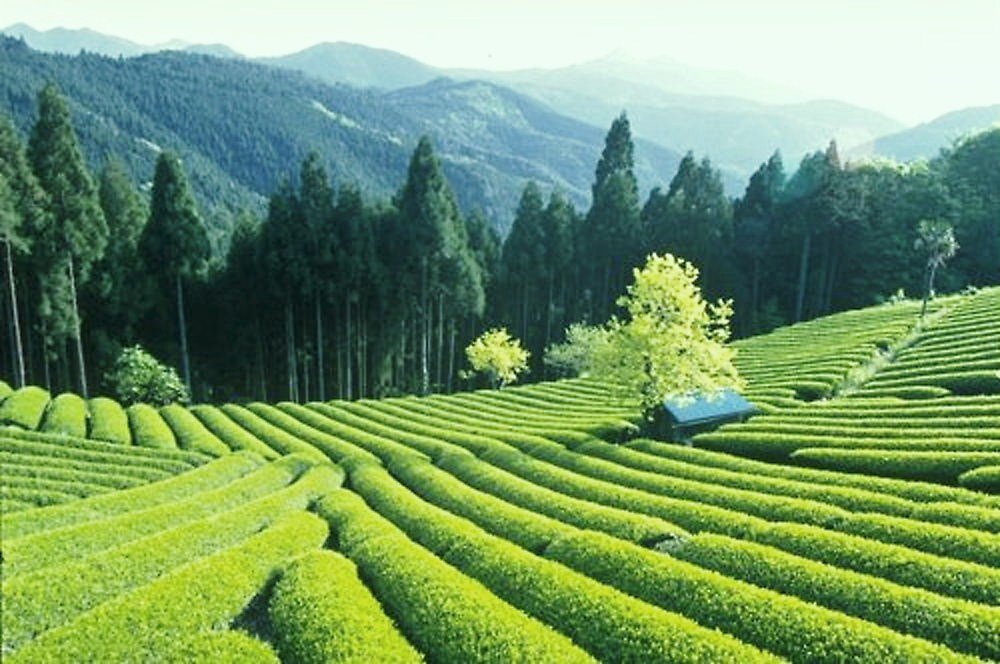
Sweet, bright and fresh, sencha is the most popular tea in Japan. Excellent as a pick-me-up or just to enjoy its smooth textures and delicate flavours, first flush sencha is often considered to be the finest harvest of each year but, in truth, it’s really just a question of preference, with each flush offering something a little different; summer months often see sencha chilled, while it is normally enjoyed hot during the rest of the year.
Gyokuro
For two weeks before they are due to be picked, the tealeaves of the Camellia sinensis are placed in shade, thus inducing the sweetness and aroma for which gyokuro tea is famous. Steeped at lower temperatures and for longer periods than even other green teas (which if brewed with boiling water can lose any sweetness and in fact become quite bitter), a gyokuro tea benefits from having teapot and cup pre-heated, thereby helping to preserve the drink’s heat.
Other great Japanese Green Teas
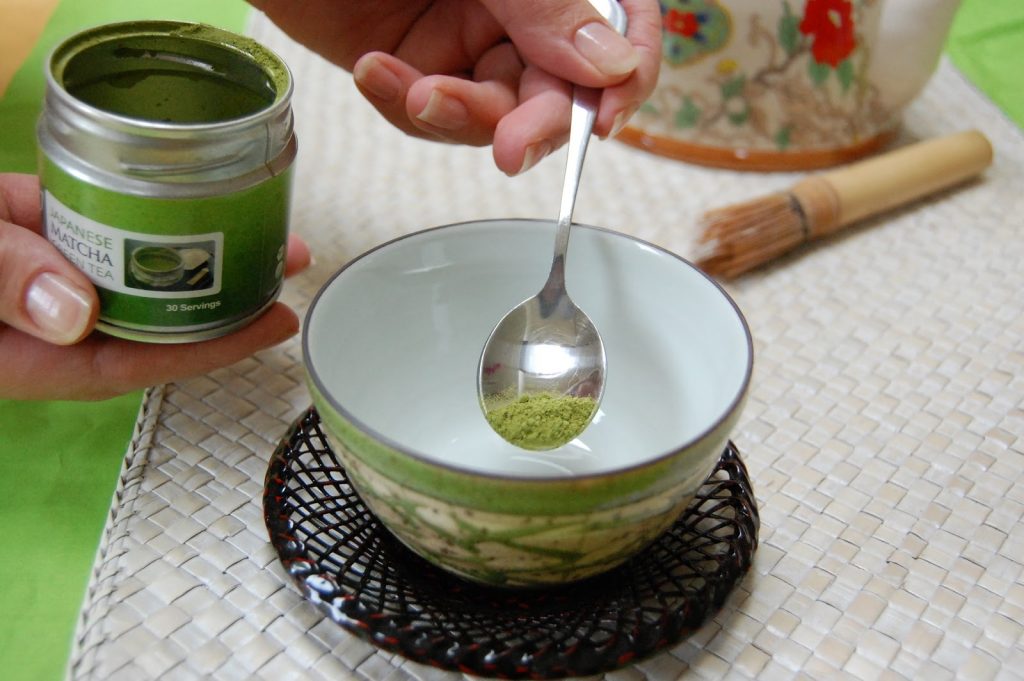
There are also plenty of other fantastic Japanese green teas to be enjoyed, for example, Genmaicha blends sencha and rice grains making for creamy yet light green tea, and Houjicha is roasted at high temperatures, resulting in rich reds and browns, caramel flavours, and a deliciously relaxing drink.
So when venturing into the world of Japanese green teas, don’t be afraid to branch out and leave no stone unturned – there’s all of Japan to explore for its rich variety of fantastic teas.